
Ask an owner what they did in sales last month and you get a number in two seconds. Ask what one plate of butter chicken costs to make and you get a pause, then a guess. The guess is almost always low.
The maths is not hard. Ingredient cost divided by menu price, times 100. That is your food cost percentage.
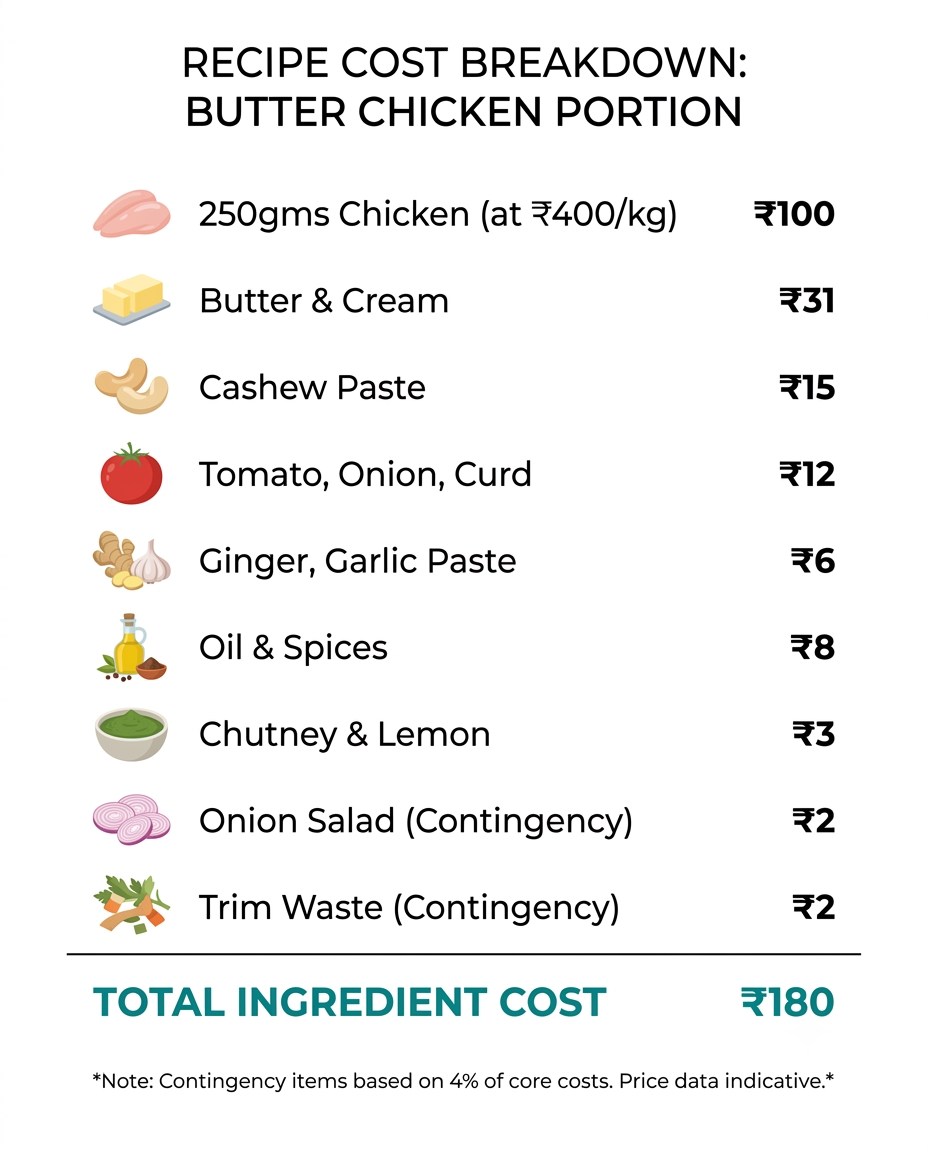
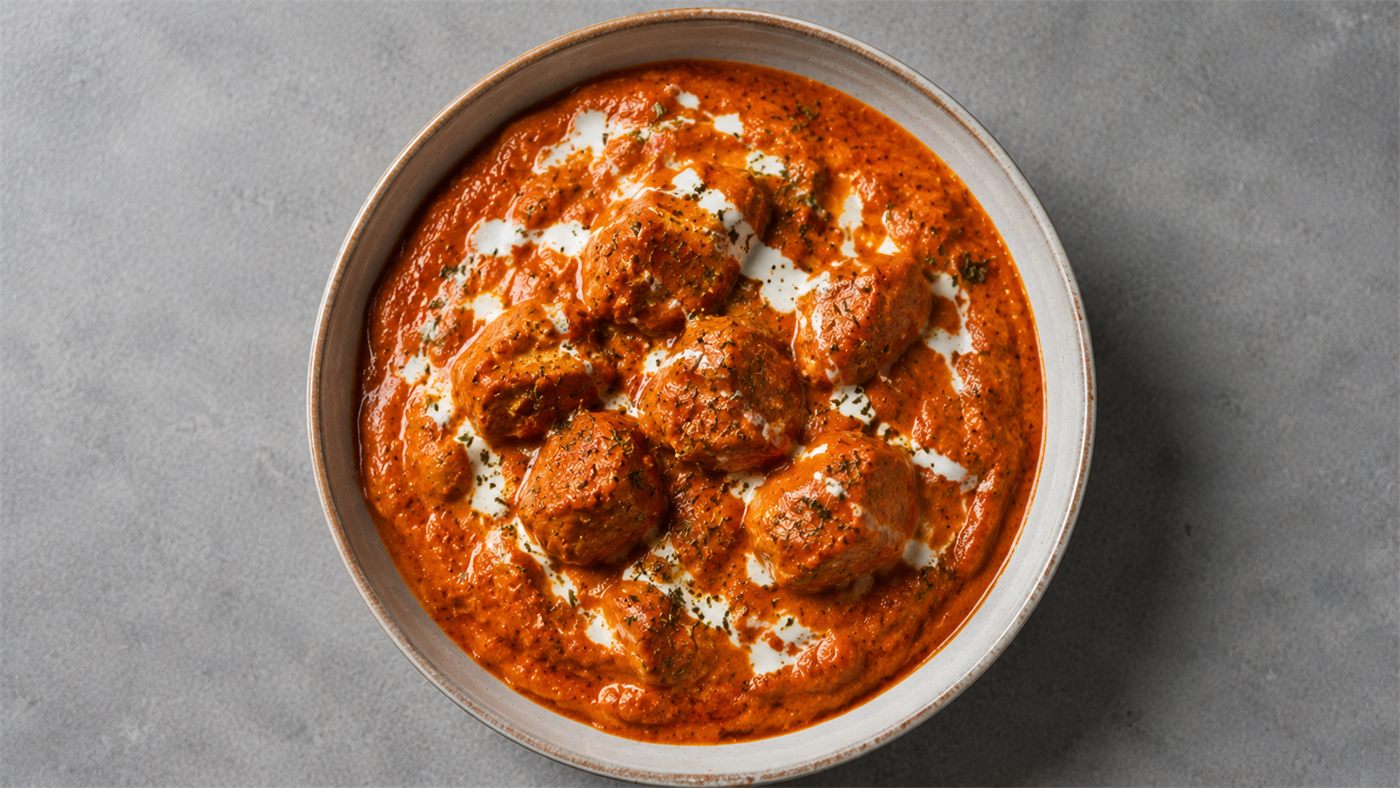
Take a standard butter chicken portion. 250 gms chicken at ₹400 a kilo is ₹100. Butter, cream and cashew paste add about ₹46. Tomato, onion, curd, ginger and garlic another ₹18. Oil and spices, call it ₹8. So ₹172 in ingredients.
Now the part people argue with us about. The chutney, the onion salad, the lemon, the trim you threw away cleaning the capsicum. None of it is on the recipe card and all of it is your money. On a condiment-heavy Indian menu, add four percent. That takes you to roughly ₹179.
Sell it at ₹520 before GST and you are at 34 percent. Healthy, but with no room left.
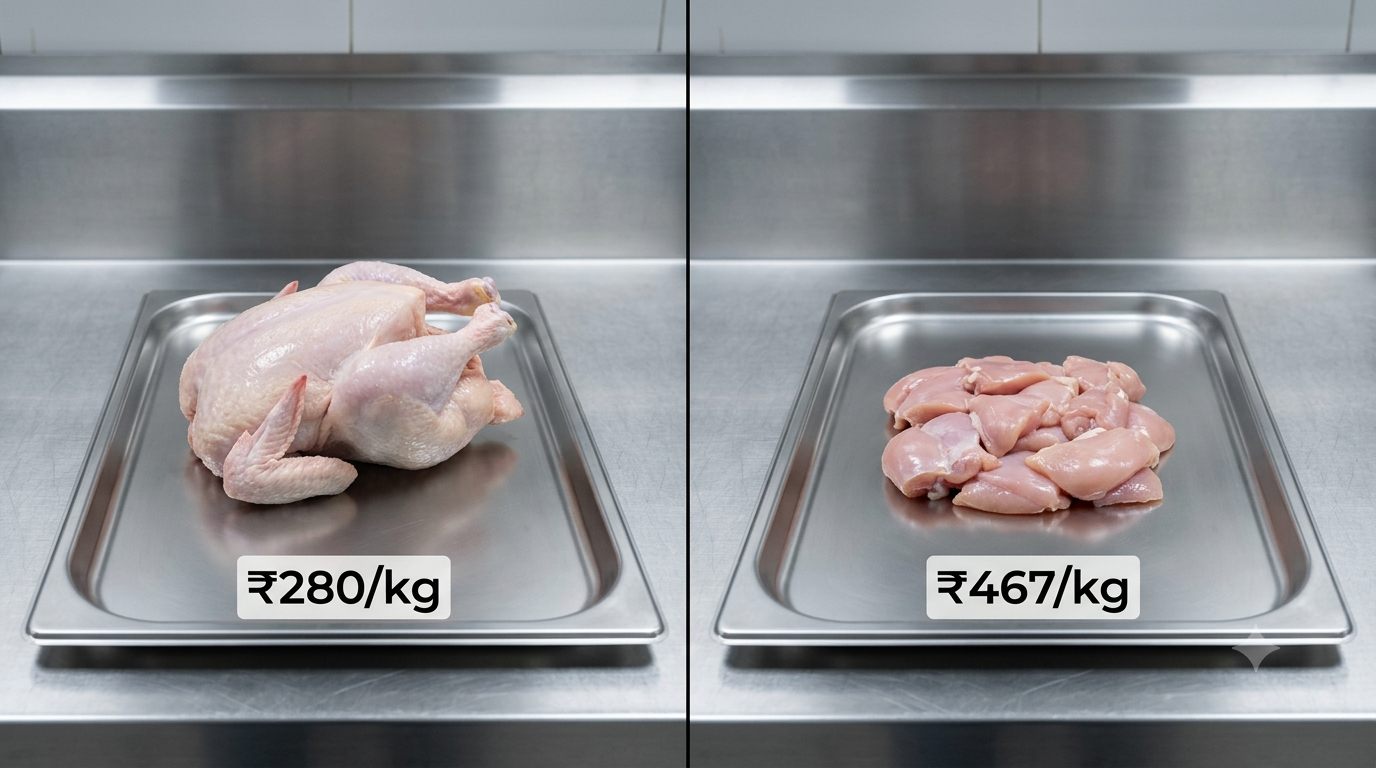
Three things that make this number wrong. Costing whole chicken at ₹280 a kilo when 40 percent of it is bone and skin. Costing against the menu price with GST included, which is not your money. And costing once, in December, when onion was ₹35 and not ₹70.
Here is the one that matters though. Your recipe says 34 percent. Your P&L says 39. That five point gap on ₹15 lakh of monthly food sales is ₹75,000 leaving the building every month, and nobody in the building can tell you where.
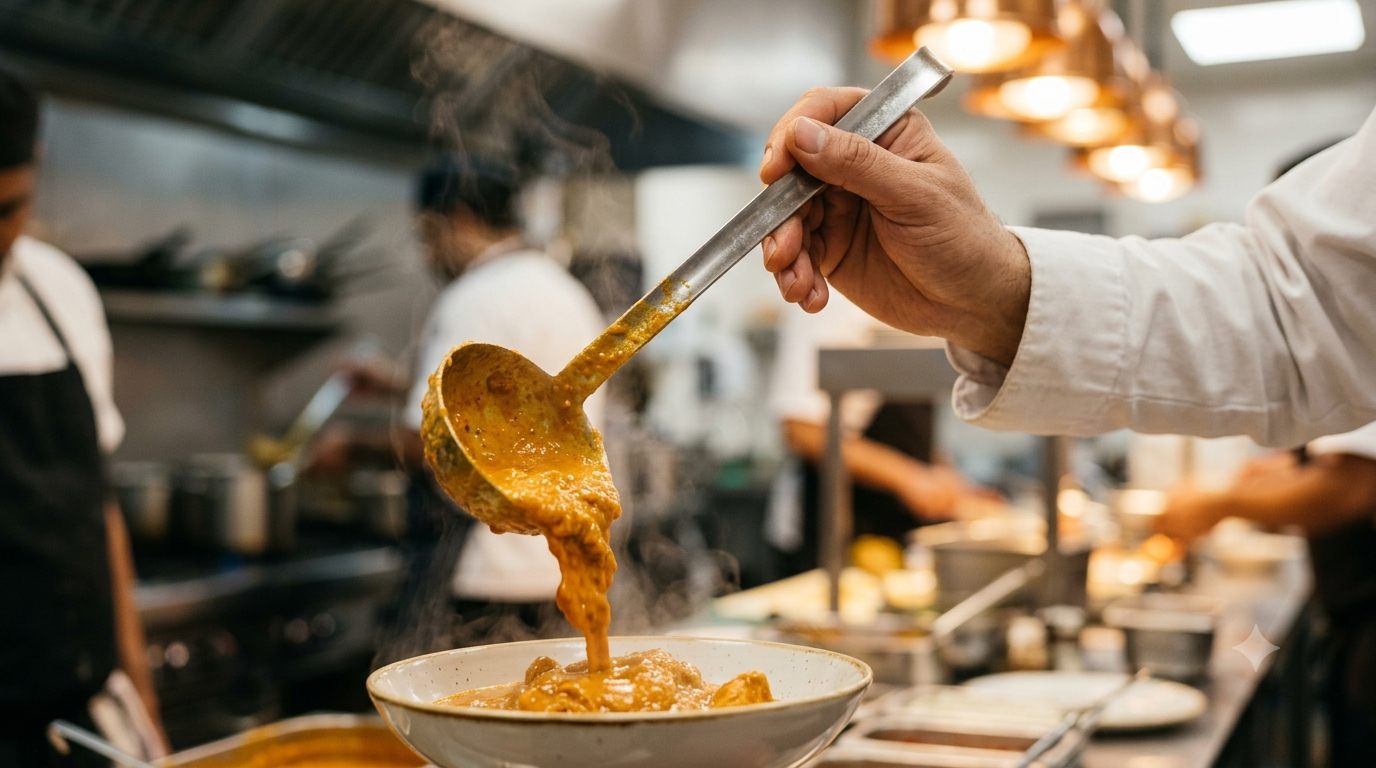
It leaves through the ladle. Through the cook plating his fortieth order at 9:40 p.m on a Saturday, going by feel, because nobody ever showed him what 250 grams looks like. Recipe cards do not fix that. Training does.
Cost your highest selling dish today. It takes 15 minutes and the number usually surprises people.
Use the free Food Cost Calculator →