Why Training Caretakers Matters More Than Ever

As India’s lifestyle shifts and work culture evolves, the concept of owning or managing local or outstation properties has expanded far beyond personal second homes. Today, companies across sectors maintain guesthouses, retreat facilities, training centers, and residential staff quarters in cities and remote locations alike. Whether for employee stays, client visits, or leadership offsites, these commercial properties need to run smoothly — even when no manager is physically present.

At the heart of this ecosystem lies the most crucial asset: The Caretaker. And the difference between an average caretaker and a trained caretaker can directly influence property upkeep, guest experience, and long-term asset value.

Words by
Team HTI

Date
27-12-2025

Reading Time
03 min read

Effective Strategies for Training Housekeeping Staff in the Hospitality Industry

Why Training Caretakers Is Essential

Whether it’s a family’s holiday home in the hills or a company-owned guesthouse in a Tier 1 city, the challenges of managing a guesthouse are the same — maintenance oversight, security, hospitality, and daily operations. Without structured training, caretakers often learn on the job, leading to inconsistent standards and costly mistakes.

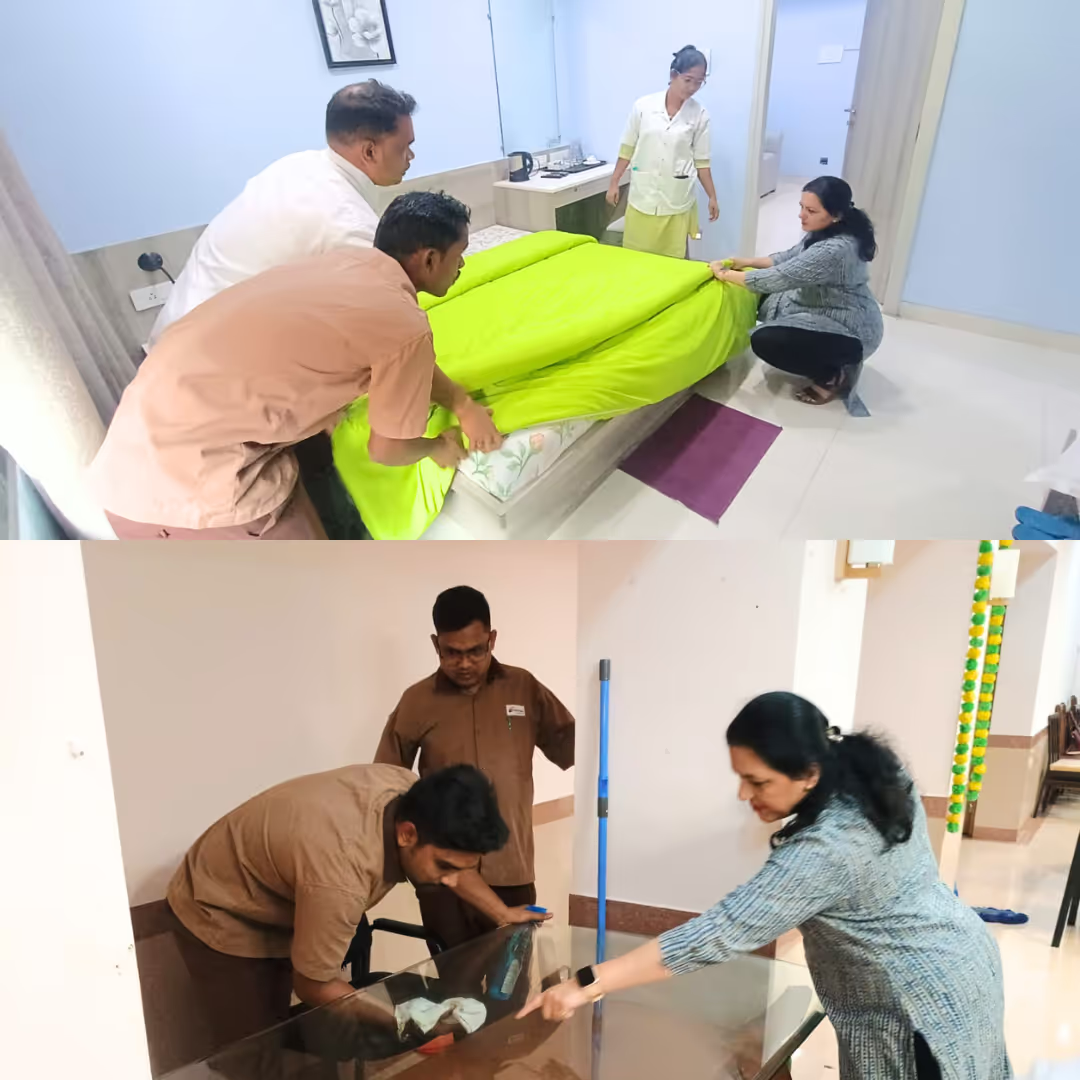
A professional caretaker training program builds capability in several critical areas:
  • Property & Facility Management: Understanding plumbing, electrical basics, water systems, housekeeping standards, and early detection of issues before they become expensive repairs.
  • Hospitality & Guest Management: Greeting employees, executives, clients, or family guests with courtesy, ensuring rooms are ready, and maintaining the property as a welcoming space.
  • Security & Safety Protocols: Managing entry/ exit logs, handling emergencies, supervising contractors, and ensuring round-the-clock safety — all essential for both private and corporate properties.
  • Tech Familiarity: Modern guesthouses use CCTV, app-based locks, automated pumps, solar panels, and more. Trained caretakers are equipped to operate and troubleshoot these systems.
  • Professional Conduct & Soft Skills: Communication, problem-solving, reporting, and accountability — skills that elevate caretakers from basic helpers to trusted estate or facility managers.
With proper training, caretakers become dependable and function without the need for constant owner or organisational supervision.

The Boom

The rise of trained caretakers is not niche — it’s becoming a formalised, fast-growing sector. Several factors contribute to this boom:
  • Increase In Second Homes & Holiday Rentals: Families are investing in farmhouses, hill homes, beach villas, and Airbnb-friendly properties that require full-time caretakers.
  • Corporate Expansion Into Tier-2 & Tier-3 Cities: Companies are maintaining guesthouses for travelling employees, especially in manufacturing, pharma, BFSI, IT services, and consulting.
  • Growth In Business Travel: Even with hybrid work, executives and teams frequently travel for client meetings, plant visits, training, and events — and companies prefer reliable in-house guesthouses over hotels.
  • Rising Expectations Of Professional Hospitality: Whether it’s a company director arriving late at night or a family hosting friends over the weekend, today’s guests expect hotel-like service and professionalism.
  • The Airbnb & Homestay Boom: A huge share of these rely on on-ground caretakers to manage guest turnover, cleaning, repairs, and guest interaction.
Put simply: Untrained caretakers are no longer enough for the way homes and commercial guesthouses are used today.

A Promising Career Path For Local Talent

This sector presents a powerful opportunity for individuals from rural and semi-urban areas:
  • Steady, dignified employment with better salaries.
  • Certification-based roles that encourage professional growth.
  • Opportunities to become senior caretakers, supervisors, or property managers.
  • Long-term placements with companies, hospitality brands, or multiple property owners.
The demand is so high that trained caretakers often have multiple job offers and can command higher pay.

The Opportunity For Organisations & Training Providers

From facility management firms to property developers and hospitality service providers, the market is ready for specialised caretaker training programs. Companies that invest in training see improved asset longevity, better guest satisfaction, and smoother operational efficiency across their properties.

For owners and corporates, it’s no longer just about having someone “look after the place” — it’s about ensuring that person is reliable, skilled and professional.

Share this blog to your favorite platform: